

 Rating 5/10
It is a sad irony that such an unorthodox and idiosyncratic trailblazer would inspire such a conventional and rather staid biopic.
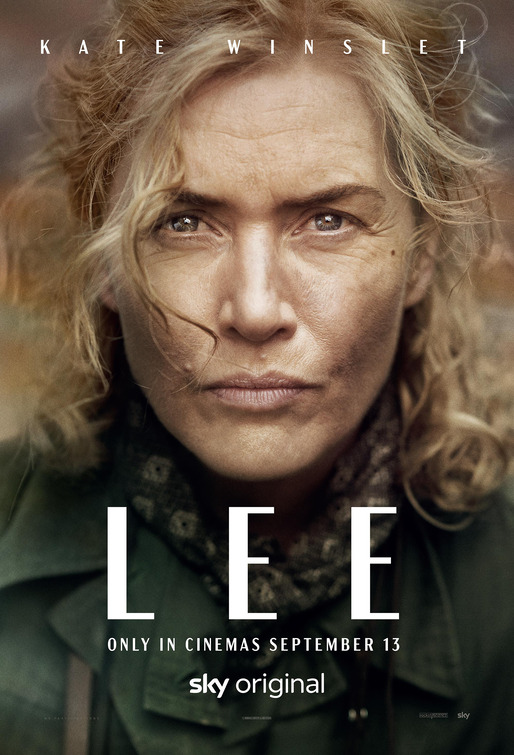
Elizabeth “Lee” Miller (Kate Winslet) was an American model who became a photojournalist during World War II. The narrative follows her work at Vogue magazine, where a supportive editor (Andrea Riseborough) plays a crucial role in advancing her career. In Paris, she spends time with friends (Marion Cotillard and Noémie Merlant) and the man (Alexander Skarsgård) who would later become her husband. She notably secures images of Paris after its liberation in August 1944. Miller progresses from photographing women on the home front to detailing harrowing images of war that include Nazi concentration camps.
The story is presented via the rather stuffy framing device of an interview with a young writer (Josh O’Connor) in the 1970s. An elderly Miller reflects back on her life. The driving force is a relentless pursuit of truth through photography, venturing into spaces where few dared to tread. The photographer had a confrontational personality. While the account showcases her courage, it often keeps her emotion at bay. The drama focuses more on the events than the problematic toll they had on this complex individual.
In a rare moment of reflection, Miller reveals a traumatic childhood experience that had a profound effect on her. The screenplay suggests that this agony, coupled with societal expectations, contributed to a guarded, often abrasive demeanor. Though the former fashion model was quite open with her body and art, she was reluctant to reveal her inner self—perhaps due to this early violation. We are led to assume this unresolved trauma fueled a later obsession with combat’s brutal realities.
Miller hid much of her wartime work from her son, Antony Penrose. He only discovered the full extent of his mom’s achievements after she died. The screenplay — adapted by Liz Hannah, Marion Hume, and John Collee – is based on Penrose’s 1985 biography The Lives of Lee Miller. The chronicle dutifully showcases the events of her extraordinary career, but it’s up to the viewer to connect the emotional dots between them.
Miller was a visual storyteller who documented others’ pain while concealing her own. The saga traces the evolution from model to war correspondent. The movie depicts the key moments. One pivotal moment highlights her complicated perspective: after the Allies captured Hitler’s Munich apartment, she seized an opportunity. With the help of fellow photographer David Scherman (Andy Samberg), she staged a photograph of herself seated in his bathtub with a photo of the Führer on the edge. This jarring image encapsulates her audacity.
The rest of the movie’s polished, even courtly approach is so at odds with Miller’s rebellious spirit. Winslet gives a powerful performance. That’s to be expected, but the restrained, traditional narrative misses the intensity and daring that define its subject. The woman was a radical figure. This film is not.
10-01-24